Cat Rescue Graphics for T-Shirt Designs
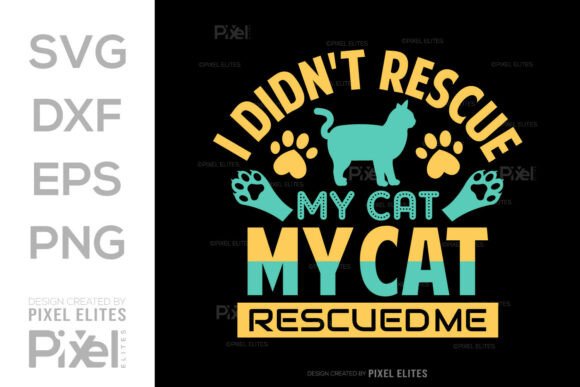
As a brand designer who has spent the last decade helping local businesses find their visual voice, I approach every new graphic design asset with a critical eye. It is not just about whether an image looks pretty; it is about whether it carries weight, communicates a message, and integrates seamlessly into a cohesive brand identity. Recently, I evaluated the "I Didn’t Rescue My Cat, My Cat Rescued Me" design for a potential client project, and the results were surprisingly versatile. While categorized under T-Shirt Designs, this asset holds significant potential for broader small business branding applications.
First Impressions and Brand Personality
The first thing that strikes you about this specific SVG design is its emotional resonance. It does not scream for attention with loud colors or aggressive typography. Instead, it offers a quiet, heartfelt narrative that appeals to the growing demographic of pet owners who view their animals as family members rather than just possessions. The mood is warm, empathetic, and slightly vulnerable. For a local business, this suggests a brand personality that is authentic, caring, and community-oriented.
If I were advising a handmade business or a boutique owner, I would describe this aesthetic as "soft modern." It lacks the rigidity of corporate professional branding but maintains enough structure to look intentional and polished. It feels organic and human, which is exactly what consumers are looking for in today’s market. Whether you are running a cat café, a pet grooming salon, or a lifestyle blog, this design bridges the gap between playful and profound.
Strategic Applications Beyond Apparel
While the primary category is apparel, limiting this asset to shirts would be a missed opportunity for creative entrepreneurs. In my recent review for a hypothetical artisan soap brand, I explored how this quote could elevate packaging design. Imagine a lavender-scented bar wrapped in kraft paper, with this quote stamped subtly on the back label. It transforms a simple transaction into an emotional connection.
Here is how I envision this digital product functioning across various touchpoints:
- Product Labels: Perfect for candle jars, coffee bags, or skincare bottles where space allows for a short, impactful message.
- Thank-You Cards: Including this graphic on inserts for online orders adds a personal touch that encourages repeat business.
- Social Media Graphics: The quote serves as excellent content for Instagram or Pinterest, driving engagement through relatability.
- Promotional Banners: Use it on website headers during adoption awareness months or charity drives.
- Stickers and Decals: High-margin add-ons for checkout counters at boutiques or pet stores.
The key is to treat the text not just as words, but as a visual element. The typography likely balances readability with character, making it suitable for editorial design layouts or web design elements where whitespace is respected.
Enhancing Business Presentation and Trust
Why does a specific quote matter in commercial design? Because it builds trust. When a customer sees a thoughtful message like "Celebrate the beautiful bond between you and your furry friend," they perceive the brand as attentive and values-driven. This asset supports better visual hierarchy by acting as a secondary focal point. It draws the eye after the logo, reinforcing the brand’s story without overpowering the primary product information.
In terms of shelf appeal, especially for product mockup presentations, this design adds depth. A plain label tells you what the product is; a label with this quote tells you who the brand is. It creates a stronger emotional connection, which is crucial for marketing visuals aimed at pet lovers. For a creative marketplace seller, offering this as part of a bundle can increase the perceived value of their design assets.
Where to Use It Carefully
Despite its versatility, this asset is not a universal fix. As a designer, I must advise caution in certain contexts. Do not use this on formal corporate branding materials where professionalism is defined by neutrality. It may clash with luxury minimalist brands that rely on stark, wordless elegance. Furthermore, avoid placing it on very small labels where the text becomes illegible, or on crowded product label layouts where it competes with ingredient lists and legal information.
Low-contrast backgrounds are another pitfall. If the clipart or text is light, ensure it is placed on a dark enough background to maintain readability. Always prioritize clarity over decoration. If the design distracts from the core message of safety or instruction, it should be omitted from that specific area.
Practical Designer Notes for Implementation
Before integrating this into a client’s logo design system or Canva template, perform these practical checks:
- Test on Real Mockups: Digital screens lie. Print the design on actual paper or fabric to check for ink bleed or loss of detail.
- Check Black and White Usage: Ensure the illustration holds up without color. This is vital for cost-effective printing methods like screen printing or stamping.
- Preview on Small Scales: Shrink the design to one inch. Is the message still clear? If not, simplify or remove it from small items.
- Font Pairing: Test the asset beside serif, sans serif, script, and handwritten fonts. It likely pairs best with clean sans serifs to let the message breathe, or soft scripts for a feminine touch.
- Verify Licensing: Always confirm the commercial license terms. Ensure you have the right to use the PNG design or SVG design for physical product sales and client work.
- Inspect Vector Editability: If using the SVG version, check if nodes can be adjusted for custom spacing or size tweaks without losing quality.
By treating this printable design with the same rigor as a primary logo, you ensure it enhances rather than detracts from your brand. Whether you are a social media manager creating content for a rescue shelter or a packaging designer working on a new line of pet treats, this asset offers a meaningful way to connect with your audience. It reminds us that design is not just about aesthetics; it is about storytelling. And in the world of local business, a good story is often the most valuable asset you have.