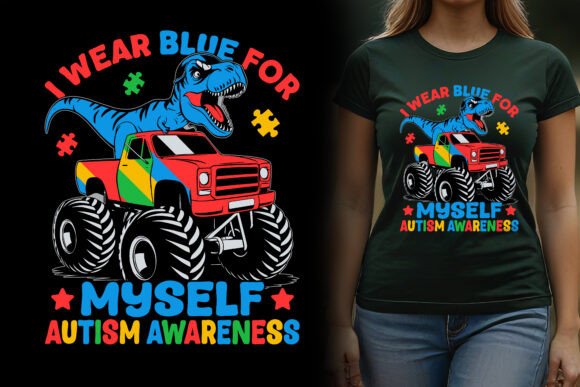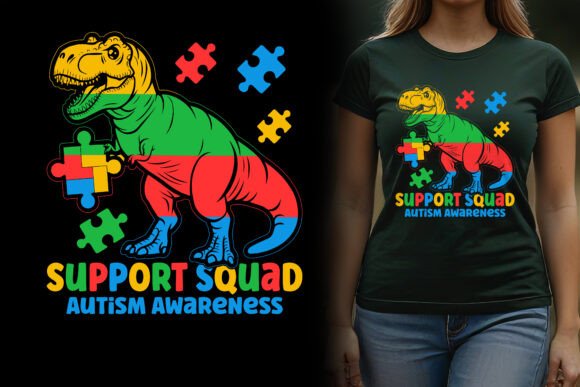
Support Squad Autism Awareness Graphics: A Designer's Review
When I first pulled up the Support Squad Autism Awareness Graphics on my screen, my immediate reaction wasn't just about the colors; it was about the potential application. As someone who spends hours hooping fabric and trimming jump stitches, I look at digital assets differently than a casual browser. I'm thinking about stitch density, pull compensation, and how this graphic will translate from a flat PNG or SVG into a tactile, threaded reality. This isn't just another clipart bundle; for those of us in the craft business, it represents a specific niche market that requires sensitivity, clarity, and high-quality execution.
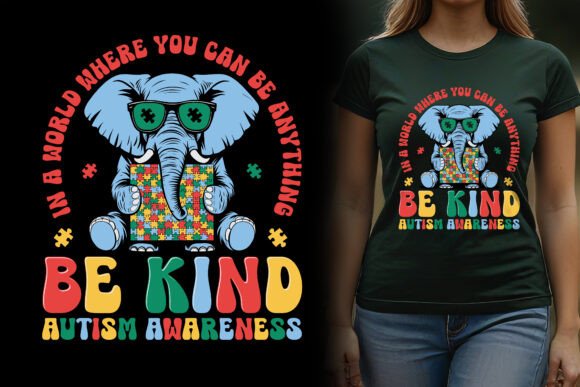
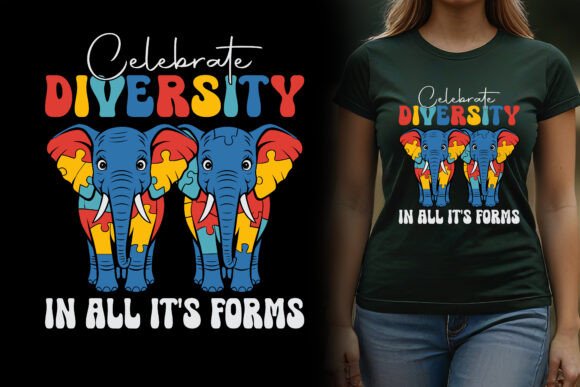
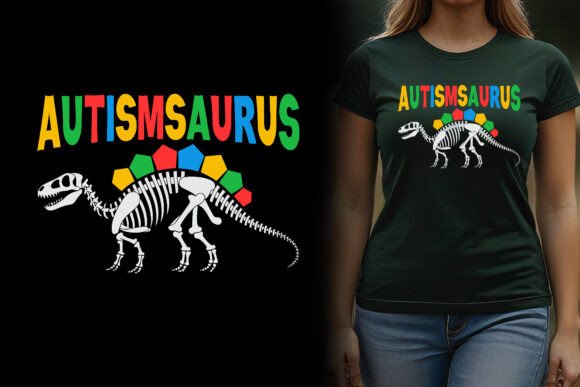
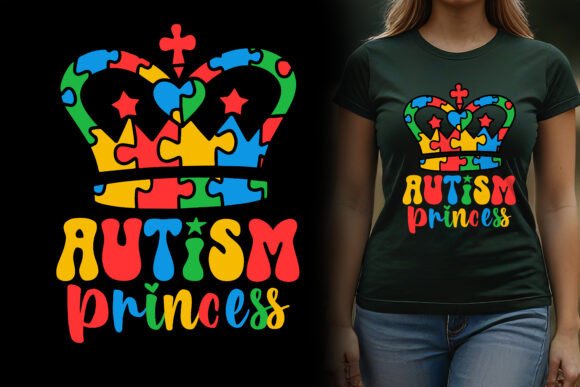
The visual personality of these graphics leans heavily into the vibrant, inclusive spirit of the autism community. The use of colorful puzzle pieces and bold typography creates a mood that is celebratory rather than clinical. For an embroidery project, this is crucial. We aren't stitching medical diagrams; we are creating wearable expressions of pride and support. The layout feels balanced, with enough negative space to allow for clean satin stitch borders without the design feeling cramped. If you are an Etsy seller or a small shop owner looking to expand your spring catalog, this type of imagery fits perfectly into the current demand for meaningful, cause-related apparel.
Real-World Application: The Custom Tote Bag Scenario
To truly evaluate the Support Squad Autism Awareness Graphics, I imagined a specific real-life scenario: a custom order for a local special education teacher appreciation week. The client wanted something durable yet stylish, so I mentally mapped this design onto a heavy canvas tote bag. In this context, the graphic shines. The broad shapes and clear lines suggest that it would digitize beautifully as a fill stitch with satin column outlines. On a textured fabric like canvas, fine details can get lost, but the strong silhouette of these graphics ensures legibility even from a distance.
Imagine stitching this onto a navy blue tote. The contrast of the bright, multicolored elements against the dark background would pop, making it an ideal handmade product for a gift or a boutique item. It's not just a T-Shirt Design; its versatility allows it to work as a central focal point on aprons, pillow covers, or even a structured cap. For a craft business, offering this as a personalized addition—perhaps adding a name below the main graphic—adds significant value. Customers aren't just buying a bag; they are buying a statement piece that shows their support for neurodiversity.
Performance Across Different Fabrics and Products
The true test of any digital embroidery file is how it performs across various substrates. These graphics appear robust enough for sweatshirt embroidery, where the loft of the fleece can sometimes swallow up intricate details. Because the design relies on recognizable shapes and bold color blocking, it maintains its integrity even on thicker materials. However, if you are planning to use this for baby embroidery on a soft onesie, you need to be cautious. The stitch density might need adjustment. A standard fill might be too stiff for delicate infant skin, so reducing the density or opting for a lighter fill pattern would be a smart move to ensure comfort.
For those creating embroidered patches, this design is a strong contender. The defined edges would allow for a clean merrow border or a tight satin edge, resulting in a professional-looking patch that could be ironed onto jackets or backpacks. When considering holiday embroidery or gifts for Autism Awareness Month in April, having a design that works on both light and dark fabrics is a huge asset. Just remember to check the thread color contrast. If you are stitching on black fabric, ensure your digitized version includes an underlay that prevents the base fabric from peeking through the colorful fills.
Critical Considerations for Stitching Success
While the aesthetic appeal is high, there are technical areas where you must exercise caution. If you are working with a small hoop size, verify the dimensions of the graphic before purchasing or digitizing. Some versions of these graphics might be too wide for a 4x4 hoop, requiring you to scale down, which could compromise the readability of any included text like "Be Kind" or "Autism Mom." Tiny lettering is the enemy of embroidery; if the text elements are too small, they will fill in and become illegible blobs of thread.
Textured fabrics and stretchy knits also present challenges. The Support Squad Autism Awareness Graphics feature solid areas that, if not properly stabilized, can cause puckering on stretchy t-shirts. Always use a cut-away stabilizer for garments that will undergo frequent washing. Speaking of washing, dense stitch areas can hold water and take longer to dry, or potentially distort if the fabric shrinks more than the thread. Test your finished product on scrap fabric first. Run it through a wash cycle to see how the threads hold up and if the fabric distorts around the design.
Curved surfaces, like caps, require extra attention. The center of the design needs to be aligned perfectly, and the curvature of the hat can make wide graphics look distorted. If the design includes puzzle pieces on the outer edges, they might wrap awkwardly around the curve. In such cases, consider isolating the central element of the graphic for hat projects and saving the full layout for flat items like tote bag designs or tea towels.
Enhancing Brand Value and Customer Trust
Using high-quality, thoughtful designs like the Support Squad Autism Awareness Graphics directly impacts your brand consistency and customer trust. When a buyer sees a clean, well-executed embroidered item, they associate that quality with your shop. It signals professionalism. Conversely, a poorly stitched or pixelated-looking design can damage your reputation. These graphics offer a level of sophistication that elevates a simple t-shirt into a meaningful personalized gift.
For Etsy sellers and creative entrepreneurs, the visual appeal of these designs translates well into printable mockups. Even before you stitch a single thread, you can create compelling listing images that show the design on various products. This helps buyers visualize the end result, increasing engagement and conversion rates. The themes of support, pride, and kindness resonate deeply, making these designs highly shareable on social media, which can drive organic traffic to your small business.
Final Designer Notes and Best Practices
Before committing to a production run, here are a few practical steps to ensure success. First, always confirm the licensing terms. While these are marketed as T-Shirt Designs and Graphics, you need to be certain that your intended use—whether for personal gifts or commercial sale—is covered. Second, review the stitch count and density if you are purchasing a pre-digitized machine embroidery design. If you are digitizing it yourself from a vector file, pay close attention to the direction of your satin stitches to maximize sheen and minimize thread breaks.
Test the design in black and white mockups to ensure the contrast holds up without relying solely on color. Check how the design looks on both light and dark backgrounds; you may need to create two versions with different outline colors. Finally, inspect small details. Are the corners of the puzzle pieces sharp? Is the spacing between letters sufficient? These micro-decisions define the difference between a hobbyist project and a professional commercial embroidery asset.
In conclusion, the Support Squad Autism Awareness Graphics offer a versatile and emotionally resonant foundation for a wide range of projects. Whether you are making a Special Ed Teacher T-shirt, a cozy blanket, or a line of boutique patches, the key lies in thoughtful execution. By respecting the technical limitations of embroidery and leveraging the strong visual identity of these graphics, you can create products that not only look good but also carry a powerful message of acceptance and love.