Reviewing Autism Awareness Day Clipart for Embroidery
As a designer who spends half my life digitizing and the other half stitching, I have learned that not every graphic translates well to thread. When I first opened the Autism Awareness Day Collection Clipart, my immediate reaction was one of cautious optimism. The visual appeal is undeniable, featuring vibrant colors and meaningful symbols associated with neurodiversity awareness. However, moving from a digital Illustration to a tangible finished product requires a critical eye. This review breaks down how these assets perform in real-world embroidery scenarios, helping you decide if they are right for your next craft business launch or personal project.
First Impressions and Visual Personality
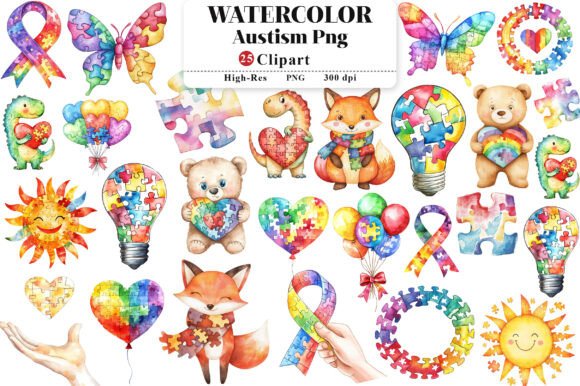
The collection arrives as a ZIP folder containing 25 PNG files at 300 dpi with transparent backgrounds. For those of us creating printable mockups or digital product previews, this resolution is excellent. The designs feature the iconic puzzle piece motifs, infinity symbols, and supportive text elements that define the autism awareness aesthetic. The mood is uplifting and inclusive, which is crucial when creating items meant to foster connection and understanding.
From a design perspective, the layout is clean. The shapes are distinct, which is a good sign for embroidery. Complex gradients in digital Graphics often fail in stitching, but these images rely on solid blocks of color and clear outlines. This suggests that with proper digitizing, they can translate into crisp machine embroidery design outputs. The visual personality is modern yet approachable, making it suitable for a wide range of demographics, from children’s items to adult apparel.
Real-World Application: The Custom Tote Bag Test
To truly evaluate the utility of the Autism Awareness Day Collection Clipart, I simulated a common commercial scenario: creating a custom embroidered tote bag for a local support group fundraiser. Tote bags are popular handmade products because they are functional and offer a large canvas for design.
I selected a design featuring a colorful puzzle ribbon. Because the source files are PNGs, they serve as the reference image for digitizing rather than the embroidery file itself. Using the high-resolution PNG, I mapped out the stitch paths. The bold lines worked beautifully with a fill stitch for the larger colored sections, while the edges benefited from a tight satin stitch border to prevent fraying and add definition. On a heavy cotton canvas, the design held its shape well. The transparency of the background in the PNG made it easy to isolate the motif without manual editing, saving significant prep time.
This experience highlighted a key advantage for Etsy sellers and small shop owners. Having high-quality reference images allows for faster turnaround times when creating custom listings. You can quickly generate mockups to show clients how the design might look on different items, enhancing buyer engagement and trust.
Versatility Across Product Lines
Beyond tote bags, this collection shows promise for various custom apparel and home decor items. Here is how the designs perform across different categories:
- Sweatshirt Embroidery: The larger motifs in the collection work well on the chest or back of hoodies. The vibrant thread colors pop against neutral fabrics like heather gray or navy, creating a striking personalized gift.
- Baby Embroidery: Smaller elements from the set can be scaled down for onesies or baby blankets. However, caution is needed here. Ensure the stitch density is adjusted for delicate fabrics to prevent puckering.
- Embroidered Patches: These graphics are ideal for iron-on or sew-on patches. The clear boundaries of the designs make them perfect for creating durable, wearable statements of support.
- Holiday Embroidery: With World Autism Awareness Day in April, these designs are timely for spring collections. They can also be adapted for year-round inclusivity campaigns.
For commercial embroidery projects, the consistency of the style across the 25 files allows for cohesive branding. Whether you are designing a line of aprons for a therapy center or pillow covers for a sensory-friendly room, the visual language remains consistent.
Technical Considerations and Challenges
While the Autism Awareness Day Collection Clipart is visually strong, there are technical hurdles to consider before stitching. Since these are raster images (PNGs) and not vector files or native embroidery formats, you must digitize them yourself or hire a digitizer. This step is critical.
Fabric Texture and Stability: When working with textured fabrics like terry cloth towels or fuzzy fleece, fine details can get lost. I recommend using a cut-away stabilizer to provide a firm foundation. For stretchy fabrics like t-shirts, a hoop size that minimizes distortion is essential. Always test the design on scrap fabric first to check for registration issues.
Color Contrast: The designs use bright, primary colors. On dark fabrics, ensure you use an underlay stitch to prevent the fabric color from showing through. Conversely, on white fabrics, avoid using light yellow or pale blue threads without a dense underlay, as they may appear washed out.
Small Details: Some of the intricate puzzle pieces may be too small for tiny hoop sizes like 4x4 inches. If you are making caps or small embroidered patches, simplify the design by removing the smallest elements. Tiny lettering, if present in any of the variations, should be avoided on curved surfaces where distortion is likely.
Enhancing Brand Value and Customer Trust
Using high-quality design assets like this collection elevates the perceived value of your small shop product. Customers can tell the difference between a pixelated, poorly sourced image and a crisp, professionally executed design. When you present a clean, well-stitched item, you build brand consistency and professionalism.
For digital product sellers, these PNGs are also valuable for creating listing images. You can overlay the clipart onto photos of blank garments to create realistic printable mockup previews. This helps customers visualize the finished product before purchasing, reducing return rates and increasing satisfaction.
Practical Designer Notes
Before you start stitching or selling, keep these practical tips in mind:
- Check Licensing: Confirm the license terms for the Autism Awareness Day Collection Clipart. Ensure you have the right to use the designs for commercial purposes if you plan to sell finished items.
- Digitize Carefully: Do not auto-digitize without manual editing. Adjust pull compensation and stitch angles to suit the specific fabric you are using.
- Thread Selection: Use high-quality polyester or rayon threads to match the vibrancy of the original PNGs. Cheap threads can break or fade, ruining the look of the embroidery project.
- Test Washability: If creating items for frequent washing, such as kitchen towels or baby clothes, test the design after multiple wash cycles to ensure durability.
- Mockup Verification: Test your design in black and white mockups to ensure the contrast holds up even without color. This is a good check for readability and impact.
In conclusion, the Autism Awareness Day Collection Clipart is a versatile and meaningful resource for designers and makers. While it requires careful digitizing and technical attention, the potential for creating impactful handmade products is high. Whether you are an experienced embroidery designer or a hobbyist looking to create a thoughtful personalized gift, this collection offers a solid foundation for meaningful creative work.